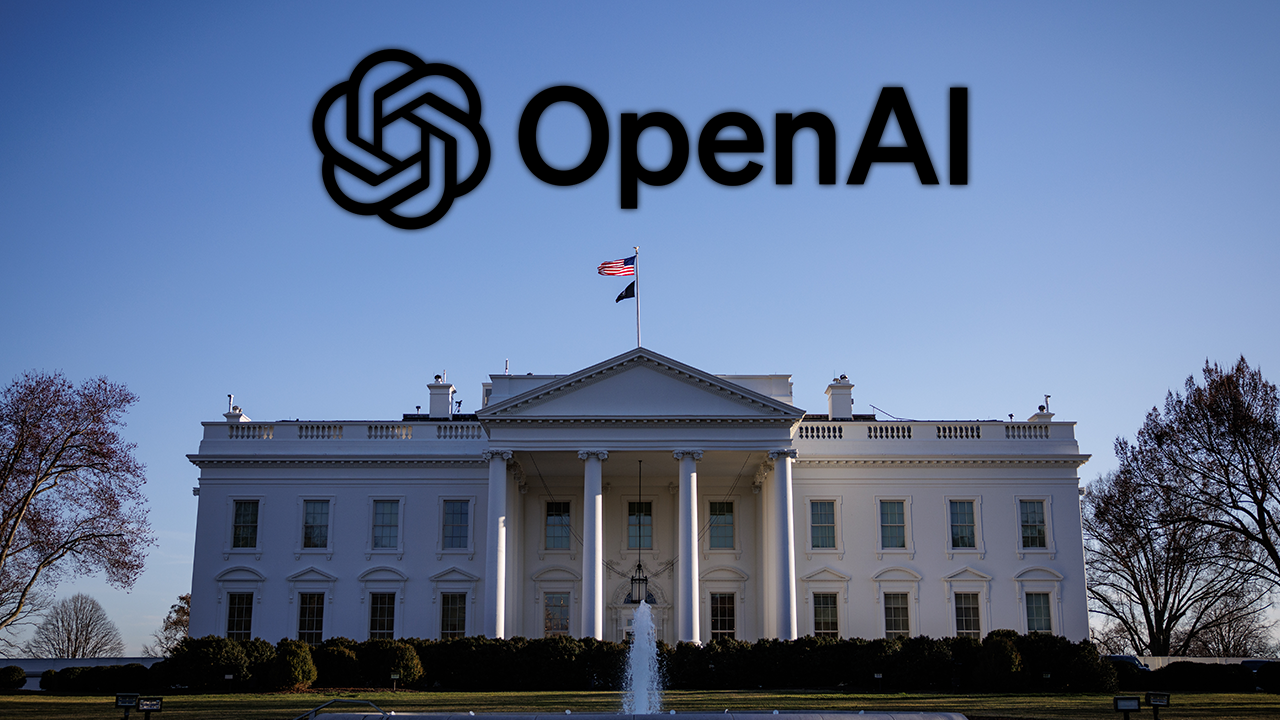
The White House has reportedly asked OpenAI to slow the public release of its upcoming artificial intelligence model, claiming national security and safety concerns. It’s one of the strongest instances so far of the U. S. government getting directly involved in how frontier AI systems are rolled out before they even reach the public.
Per multiple reports, OpenAI is expected to hold back early access for a small set of approved partners rather than launching the model widely right away. This shift mirrors the growing pressure and attention from government agencies over advanced AI technologies, and the harms they could cause, including novel risks.
Government Wants a More Cautious Rollout
Officials say they’re worried that more powerful AI models could bring fresh cybersecurity problems, national security vulnerabilities, and misinformation concerns if they’re released too broadly, without extra review.
Instead of shutting development down completely the administration is pushing OpenAI toward a phased rollout , which feels a bit more realistic. In this plan, certain organizations would get early access , while the system gets more safety reviews before it becomes available to the general public.
With that timeline, regulators and security specialists gain extra time to examine what the model can do and to spot possible weak points before millions of people can use it.
OpenAI Reportedly Cooperating
Some reports say OpenAI is cooperating with government officials about the release calendar. Instead of a full public launch, the company is expected to bring the model out in stages.
OpenAI has not publicly confirmed every detail of the conversations being described. Still, the company has repeatedly emphasized that powerful AI systems should be released responsibly , with thorough safety testing alongside them.
The company has, increasingly emphasized staged deployments for its most advanced models. This lets engineers keep an eye on actual world performance and react to unexpected issues before expanding access more broadly, you know.
Why Safety Concerns Matter
Modern AI models can write code, craft realistic content, tackle hard questions and help with scientific research too. Even with these advantages, there are concerns around misuse.
Experts have warned that highly capable AI might be used to support:
Advanced cyberattacks
Making believable misinformation
Automating fraud
Assisting in the creation of harmful software
Running large-scale social engineering initiatives
Because of this, government agencies are now paying closer attention to how these systems are introduced and then continuously monitored.
Growing Government Oversight of AI
The reported request represents another phase in the changing relationship between AI companies and government regulators.
Past year, policymakers have been going back and forth about how to manage innovation and public safety, without upsetting everything. Instead of jumping straight into huge regulations, officials are now leaning more toward voluntary cooperation with the major AI developers.
Most industry leaders have also admitted that newer frontier AI systems need firmer guardrails than the earlier wave of models.
Impact on the AI Industry
A slower rollout by OpenAI might steer how other top AI firms time and publish their own advanced releases.
If staged launches start becoming the usual pattern, future AI releases could include things like
Limited preview programs, government consultation, independent safety evaluations, and more monitoring before anything goes public.
Those steps could turn into the expected approach for the industry’s most powerful models.
Competition Remains Intense
Even with extra regulatory scrutiny, the race between AI companies keeps speeding up.
OpenAI, Anthropic, Google, Meta,and several other international firms are sprinting to craft models that look more capable every month. At the same time, governments everywhere are working on rules that are meant to make sure these tools get rolled out in a responsible way.
For the people writing those policies, the tricky part will be nailing the right equilibrium, between pushing innovation and limiting possible harms.
The White House request that’s been reported shows how artificial intelligence has shifted into a national policy issue, not just a normal technology product.
Even if OpenAI’s next model arrives in phases or shows up to the public later than originally planned, this still points to a wider direction: governments are stepping in much more, and they’re trying to supervise the release of cutting edge AI systems more directly.
As AI abilities keep leveling up, a kind of teamwork between tech firms and policymakers will probably get more and more important, in how new models get pushed into businesses, into researchers, and also into the public. It seems that cooperation, if it keeps going, will shape the way these systems are released, maybe in slightly unusual manners too.