
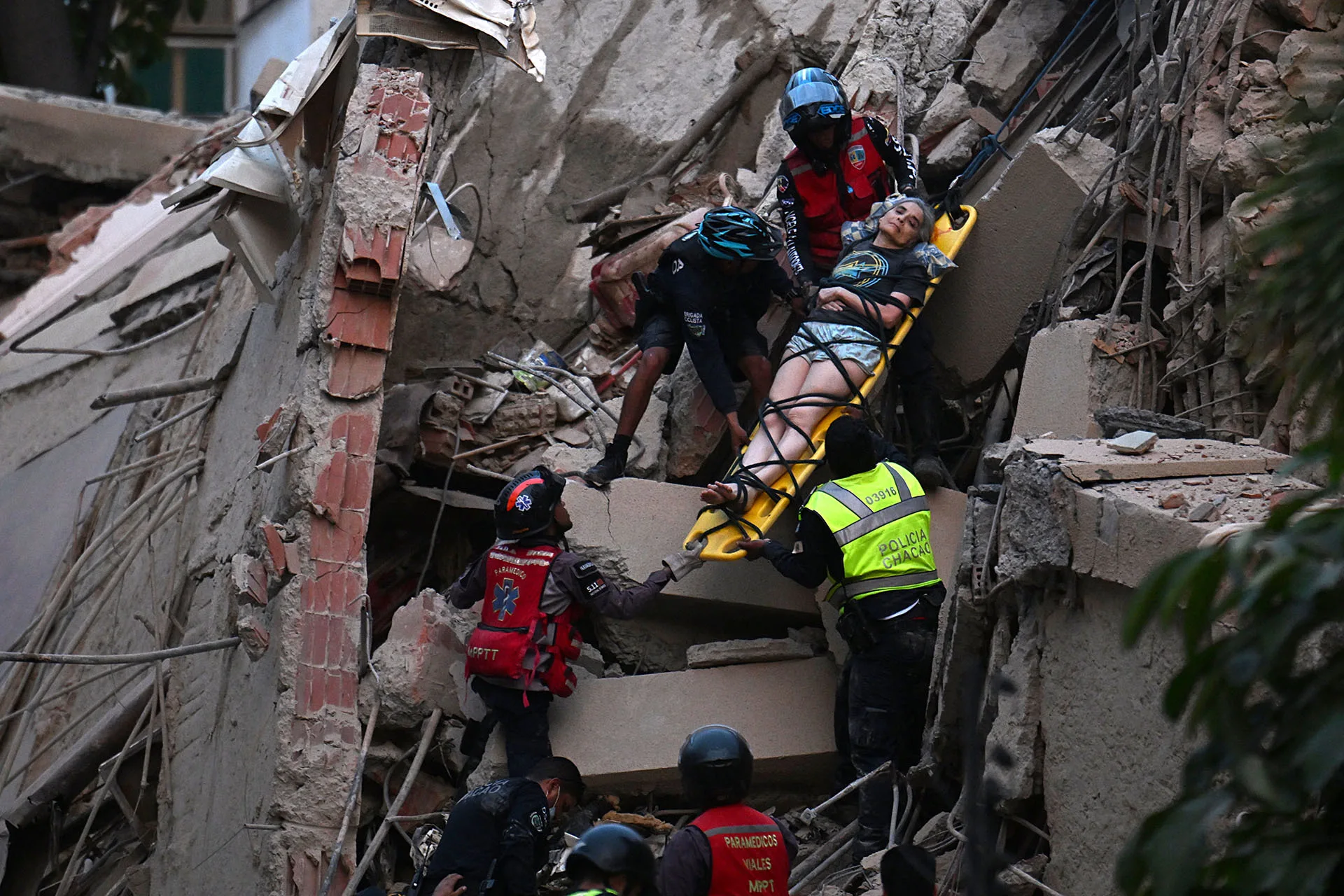
Powerful quakes hit parts of Venezuela and left a lot of damage, not just in one place, but widely, and now there is an urgent international humanitarian response. Emergency officials are still trying to figure out how big this disaster is, while search and rescue teams from several countries are already coming in to help local authorities, in locating survivors who may be trapped under buildings that collapsed.
The earthquakes went through densely inhabited neighborhoods, so homes , hospitals, schools, roads, and other public infrastructure were heavily damaged. In many communities, power stayed down for a long time and communication networks also stopped working, which made rescue work harder during those first critical hours after everything happened.
Authorities report that the death toll is continuing to climb as emergency crews reach areas that were previously unreachable. Thousands of people are injured too, and many more have been displaced after their homes were damaged or outright destroyed. Officials also warn that the final casualty numbers could shift as the reviews continue.
Rescue operations keep going 24 7, responders are working day and night, searching damaged buildings for survivors, it is not stopping. Heavy machinery is being brought in where the conditions allow it and, at the same time, specially trained rescue teams along with search dogs are checking the areas where trapped people could still be alive.
Medical teams have set up temporary care centers to look after the injured. In the affected regions, hospitals are under heavy pressure, healthcare workers are treating patients even while facing shortages of equipment and medical supplies, it is a constant squeeze.
International rescue specialists have now joined Venezuelan emergency services, bringing extra expertise, additional tools, and practical logistical help. Their arrival is expected to boost what is already happening on the ground and to improve coordination across the regions that were hit the most.
Communities are dealing with humanitarian challenges too
Beyond the immediate rescue effort, many survivors are running into shortages for food, drinking water, electricity, and shelter. Thousands of families are now being moved to temporary evacuation centers, that were set up by local authorities and humanitarian organizations.
Aid organizations are handing out emergency essentials such as blankets, clean water, hygiene kits, and essential medicines. Volunteers have also started offering psychological care for households hit hard by the event, because the stress is still very present.
Officials say more aftershocks can still happen, and that means additional dangers for both rescue crews and residents living close to damaged structures.
Infrastructure Suffers Extensive Damage
The earthquakes produced serious structural harm across several cities and towns. Roads have been cracked, or simply blocked by debris. Bridges have taken damage too, and a number of transit routes are still shut while engineers do safety assessments.
Communication systems have also been affected, making it hard for emergency responders to get to isolated communities, in time. Utility companies are still working to restore electricity and water services in the worst hit areas.
Government agencies have told residents to avoid damaged buildings until structural inspections are finished, completely.
International support grows
Several countries and international organizations have pledged humanitarian help after the disaster. Rescue specialists, medical personnel, and emergency relief items are being shipped to Venezuela as part of the broader international response.
Officials say collaboration between local authorities and foreign rescue crews will be essential over the next days, since operations are moving into heavily damaged neighborhoods.
Global leaders have sent condolences to those affected and reaffirmed their promise to back recovery efforts.
Recovery expected to take months
Experts say it may take many months to rebuild damaged infrastructure, and get back to essential services again. Engineers likely have to inspect thousands of buildings before residents can safely go back home.
Government officials have been saying that the longer-term recovery plans will concentrate on putting homes, schools, healthcare facilities, and transportation infrastructure back in working order. At the same time, they plan to strengthen disaster preparedness for what comes next, not just in the immediate moment.
For the time being , emergency responders are still focused on saving lives, helping displaced families find stability, and delivering humanitarian aid to the communities that were hit the hardest by the earthquakes.
Looking Ahead
While rescue work continues, authorities are asking residents to stay mindful of aftershocks and follow the official safety guidance. Humanitarian organizations keep moving resources into place, and international partners are working alongside local responders to provide assistance.
In the coming days it stays critical as the search operations continue, while the emergency crews keep their mission to locate survivors, and also assist people whose lives have been deeply affected by the disaster.