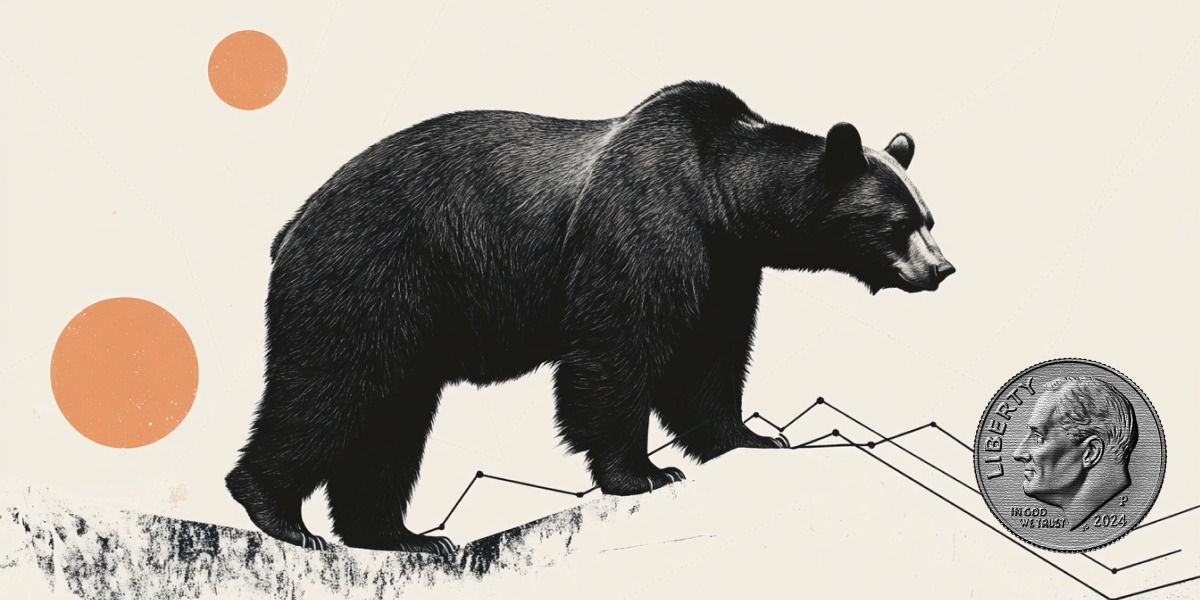
The US Dollar Index (DXY) slipped under 101.50 on Friday after the most recent US Personal Consumption Expenditures, (PCE) inflation report came in a bit softer than many investors were hoping for. That weaker inflation print pulled back ideas that the Federal Reserve will keep lifting interest rates in a forceful way, which then put a thumb on the US dollar.
The Dollar Index, which is basically a measure of the US dollar’s strength versus a basket of six major global currencies, traded near 101.40 during the session , after it briefly tapped recent highs earlier this week. Traders moved fast after the data, reworking their views on future monetary policy.
Softer Inflation Changes Market Expectations
The Personal Consumption Expenditures (PCE) Price Index is the Federal Reserve’s preferred inflation tool because it gives a broader snapshot of consumer spending than the Consumer Price Index (CPI).
The most recent report suggested inflation pressures are easing a bit, which gave investors some comfort that the pace of prices might be dialing down. Even so, inflation is still above the Fed long-term objective, but that gentler reading lowered the immediate push for further interest rate increases.
After the release, Treasury yields slipped too, as traders started pricing in lower chances of another rate step in the next few months. When bond yields ease, it usually makes the US dollar weaker because returns shrink for investors who hold US dollar assets.
Dollar Index Gives Up Recent Wins
The US Dollar Index had been rising and had reached its best spot in over a year, backed by the idea that the Federal Reserve might keep rates higher for longer.
Still, that Friday inflation update interrupted the momentum. Traders moved to pocket gains as expectations shifted toward a more guarded Fed stance.
The index slid under that important psychological area around 101.50, and analysts are watching to see if the support level near 101.20 can keep standing during the next trading sessions, basically.
Federal Reserve Outlook Remains Key
Financial markets are still looking at every big US economic release, for hints about what the Federal Reserve might do next.
Even with inflation cooling a bit, policymakers have repeatedly said that what comes next will be data dependent. If employment stays robust, or if inflation shows signs of waking back up, tighter monetary policy could still appear later this year.
For now though, traders have trimmed their expectations for an immediate rate hike after the most recent PCE report.
Impact on Global Currency Markets
A softer US dollar usually helps other major currencies, including the euro, British pound, Japanese yen and Australian dollar. Also, gold and other commodity prices often get a boost when the dollar eases, since they become less costly for overseas buyers.
Currency traders are expected to stay cautious in advance of those coming economic releases, including employment numbers, consumer confidence prints and future remarks from Federal Reserve officials that could bend expectations yet again.
What Investors Should Watch Next
Market folks will be watching very carefully,
– Upcoming US employment reports
– Federal Reserve officials’ speeches
– Future inflation releases
– Shifts in Treasury yields
– Global economic developments that influence currency demand
If there are any hints that inflation is accelerating again, that could bring back expectations for a tighter monetary stance and in turn bolster the US dollar. On the other hand, if the data keeps pointing to easing inflation, it may keep weighing on the Dollar Index over the next few weeks.
Conclusion
The US Dollar Index slipped under 101.50, following softer than expected US PCE inflation data. That weaker print trimmed expectations for another Federal Reserve rate hike, in the near term. Even if the dollar is still pretty strong compared with earlier this year, market participants are now rethinking the path for US monetary policy. What comes next in upcoming economic reports plus additional remarks by Federal Reserve officials will probably shape whether the dollar restarts its recent rally or keeps drifting lower.