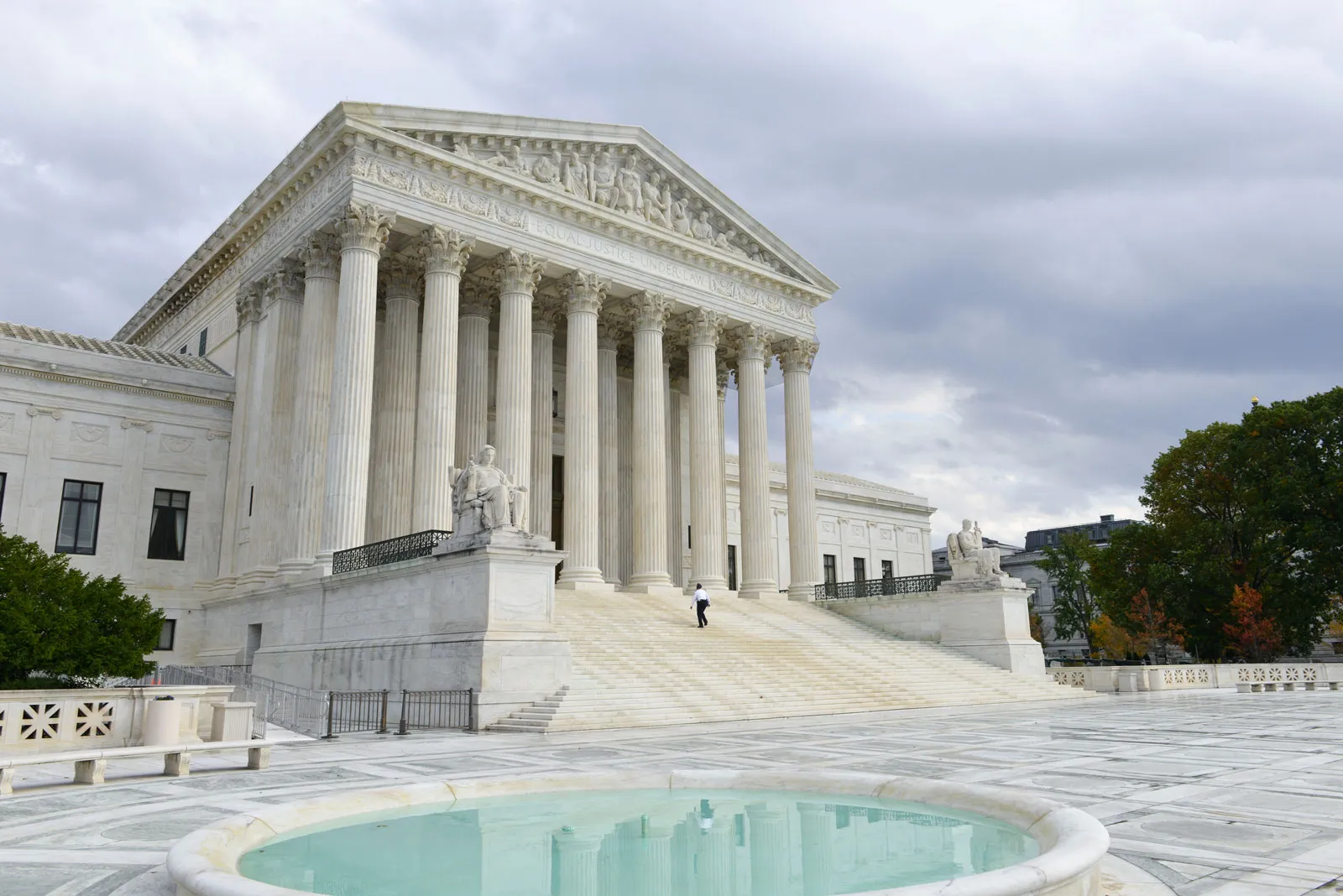
The U. S. Supreme Court s increasing habit of relying on its emergency decision-making process, usually called the “shadow docket” has become one of the most intensely tracked changes in American law. It used to be reserved mainly for urgent procedural issues, but the emergency docket is now being used to settle disagreements with nationwide political weight , as well as constitutional reach, which is sparking fresh debate among the justices legal scholars and policymakers.
This pushback came back into view after a run of recent emergency orders tied to prominent fights over presidential power and the independence of federal agencies. Those rulings made it clearer that the Court has bigger internal rifts about when emergency attention is justified , and exactly how much explanation should be included with these decisions.
What Is the Shadow Docket?
The term “shadow docket” is used to describe the Supreme Court’s emergency,or non-merits docket, where the justices work through urgent requests before the case has really finished the usual appeals pathway. In practice these matters can mean requests to hold off a lower-court decision, or to force it into effect while the litigation keeps going.
Unlike cases placed on the Court’s standard merits docket, emergency applications are generally resolved on a faster timetable. They often do not include a full, live oral hearing, extended briefing, or lengthy written opinions laying out exactly why the Court reached its result.
Even though emergency orders have existed for a long time in the Court’s work, legal observers say they have grown in reach and importance in recent years.
Why the Issue Has Drawn New Attention
Recent emergency rulings have handled questions that go well past the usual procedural squabbles . The Court has increasingly leaned on the emergency docket in matters tied to immigration, executive power, voting rules, and the internal design of federal agencies, not just the timing of filings.
In one recent fight, the issue was whether President Donald Trump could remove Federal Reserve Governor Lisa Cook. The Court stepped in and paused the removal while larger legal questions are still being argued. Even so, the fact that the decision came through emergency action became a point of tension among the justices.
Some members of the Court wondered aloud whether a matter this big, constitutional in nature, should have been resolved through a time critical order rather than through the Court’s usual process.
Divisions Within the Supreme Court
As the Court uses emergency rulings more often, distinct judicial approaches have started to show up inside the Supreme Court.
Chief Justice John Roberts has defended the Court’s approach in a few emergency situations , saying that urgent circumstances can mean acting right away even while lower courts are still finishing their review. At the same time, he has admitted that these decisions tend to involve tricky judgment calls more than they follow strict procedural rules.
Meanwhile, other justices have voiced concern that major legal questions should get broader attention through oral arguments and careful written opinions before national policies change in a real way.
This disagreement shows an ongoing friction between judicial efficiency and judicial transparency , like the Court wants speed but also needs openness.
Supporters Say Emergency Action Can Be Necessary
People who back the emergency docket argue that the Supreme Court has to move quickly at times to stop immediate ,potentially irreversible consequences.
Government policies, election procedures immigration enforcement, and agency actions often can’t wait months for the regular appellate process to end, to be finished completely.
In these moments, supporters say emergency intervention can help keep legal stability in place while the lower-court litigation keeps moving forward.
They also mention that the Court has always had emergency powers, even if their use is now showing up more in recent years.
Critics Raise Transparency Concerns
Critics, on the other hand, contend that decisions that are increasingly significant should get the same public attention and scrutiny as ordinary Supreme Court matters.
Because emergency rulings usually come with fairly thin reasoning, legal scholars say they offer less direction to lower courts and the public. They add that major constitutional disagreements might get less deliberation when they are settled under compressed timelines, and that this matters.
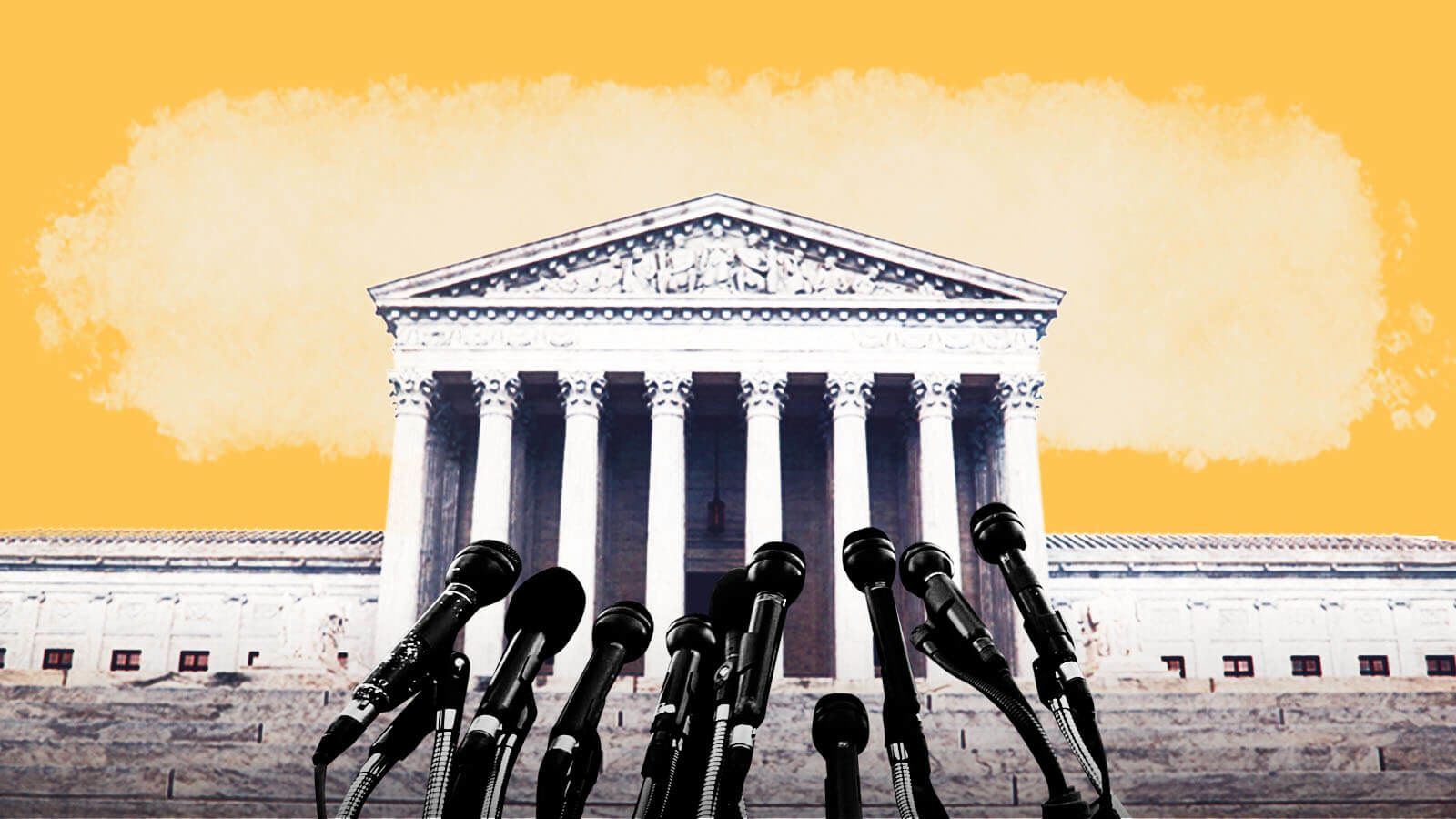
Some observers say the broader use of emergency orders could slowly nudge constitutional law, without the careful, step by step reasoning people expect from famous Supreme Court rulings. And yes, it can feel a bit less transparent, at least to many readers, even if the outcomes still matter a lot.
Over the past several years, emergency applications have been showing up more and more in situations that touch the entire nation, not just one region or agency.
The Court has looked at emergency asks connected to immigration enforcement, the reach of executive authority, actions involving federal agencies, election administration, and other matters that tend to be politically charged. A number of these matters drew heavy public notice, because the temporary orders often stay in place while the underlying disputes keep moving through the lower courts.
So in practice, emergency decisions can matter for a long stretch. Sometimes they last months, even years, before the final ruling lands.
The argument around the Supreme Court shadow docket goes beyond any single dispute, or any one set of parties. It becomes more about the broader method the system uses, and what that method does to legal expectations over time.
It brings up broader questions about how this nations highest court should balance speed transparency, and careful legal analysis when it handles urgent fights that have national consequences.
As emergency applications keep going up, legal experts think the conversation about the proper role of the shadow docket will stay a major issue for the judiciary, Congress, and the public too.
It is unclear whether future courts will lean on emergency orders as often as recent courts did. What seems clear though, is that the shadow docket has become a more and more influential part of Supreme Court decision making, influencing weighty legal disputes long before they ever get the usual full routine of briefing oral argument, and then final opinions.